Windmill Chair Line Art Logo: A Minimalist Design Masterpiece
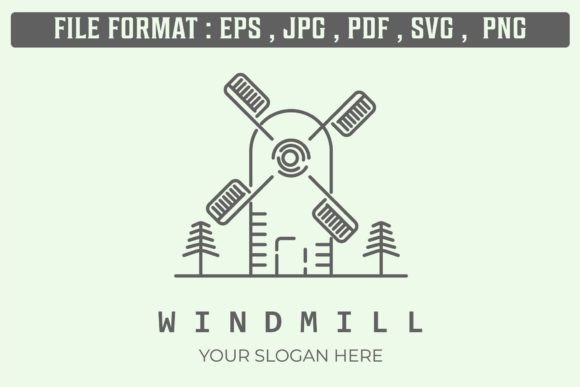
In the vast landscape of graphic design, few elements capture the essence of simplicity and elegance quite like line art. Among the myriad of concepts available to designers, the Windmill Chair Line Art Logo stands out as a unique fusion of industrial heritage and modern minimalism. This specific design concept merges the rustic charm of a traditional windmill with the structural integrity of a chair, creating a symbol that is both nostalgic and contemporary. For businesses, creatives, and enthusiasts looking to establish a brand identity rooted in nature, sustainability, or artisanal craft, understanding the nuances of this minimalist vector illustration is essential.
The Essence of Minimalist Line Art
Minimalism in design is not merely about removing elements; it is about distilling a concept to its purest form. When we talk about monoline or linear outline styles, we refer to artwork created using a single, continuous line weight. This technique requires precision and a deep understanding of shape and negative space. The Windmill Chair concept leverages this by stripping away unnecessary details, leaving behind a clean, recognizable silhouette that communicates its message instantly.
The power of this style lies in its versatility. Whether used as a logo, an emblem, or a decorative icon, the linear approach ensures that the image remains legible at any size. From a tiny favicon on a website to a large-scale print on packaging, the flat black lines maintain their clarity against a white background or any other color scheme. This adaptability makes it a favorite among web designers and branding experts who prioritize functionality alongside aesthetics.
Symbolism: Bridging Nature and Industry
Why combine a windmill with a chair? At first glance, these two objects seem unrelated. However, in the context of semantic keywords like ecology, rural, and traditional industry, the combination tells a compelling story. The windmill represents renewable energy, nature, and the old-world charm of the countryside. It evokes images of wheat fields, flour production, and sustainable living. The chair, conversely, symbolizes comfort, hospitality, and human presence.
When merged into a single logotype or badge, these elements suggest a business or brand that values both environmental responsibility and customer comfort. Imagine a café sourced from local, wind-powered mills, or a furniture brand that uses eco-friendly materials. The symbol acts as a visual shorthand for these values. It connects the power of the wind with the stability of home, creating an emotional resonance with the audience. This is the core of effective graphic design: using visual elements to convey complex ideas without words.
Technical Specifications and File Formats
For designers and buyers interested in utilizing this vector illustration, understanding the technical deliverables is crucial. High-quality design assets are typically provided in multiple formats to ensure compatibility across various platforms and software. The Windmill Chair Line Art Logo package usually includes five distinct file types, each serving a specific purpose in the design workflow.
- EPS 10: This is the industry standard for vector graphics. Encapsulated PostScript (EPS) files are compatible with older versions of Adobe Illustrator and other vector editing software. The "10" refers to the version compatibility, ensuring that even users with legacy software can open and edit the file. This format is ideal for professional printing and large-scale signage.
- SVG: Scalable Vector Graphics are perfect for web use. Unlike raster images, SVGs remain crisp on high-resolution screens and can be styled with CSS. If you are building a responsive website or an app, the SVG version of this icon is your best choice for fast loading times and sharp display.
- PDF: Portable Document Format files are excellent for sharing proofs with clients or for direct printing. They preserve the vector data, allowing for high-quality output while being easily viewable on any device without specialized design software.
- JPG: While not editable, JPEGs are useful for quick previews, social media posts, or embedding in documents where vector files are not supported. They are raster images, meaning they have a fixed resolution.
- PNG-24: This format supports transparency, making it ideal for overlaying the logo on colored backgrounds or photographs. Like JPG, it is a raster format, but the lossless compression ensures higher quality, especially for web graphics.
It is important to note that the text within these designs is often non-editable in the sense that it may be outlined or converted to shapes to preserve the font style across different systems. For the best result, especially when customizing the design, it is recommended to open the EPS file using Adobe Illustrator. This allows you to manipulate the vectors, change colors, and adjust the layout to fit your specific brand guidelines.
Practical Applications in Modern Branding
The versatility of the Windmill Chair design extends beyond simple logos. Its retro and vintage aesthetic makes it suitable for a wide range of industries. Here are a few practical examples of how this isolated graphic can be utilized:
- Eco-Friendly Cafés and Bakeries: Given the association with wheat, flour, and energy, this logo is perfect for establishments that pride themselves on organic, locally sourced ingredients. The windmill hints at the milling process, while the chair invites customers to sit and enjoy.
- Sustainable Furniture Brands: Companies that focus on upcycled or ethically sourced wood can use this emblem to highlight their commitment to ecology and traditional craftsmanship. The linear style reflects the clean lines of modern furniture design.
- Rural Tourism and Hospitality: Bed and breakfasts, farm stays, or country retreats can use this label to evoke a sense of peace and connection to the country side. It serves as a visual promise of a relaxing, nature-filled experience.
- Renewable Energy Consultants: While less common, the artistic representation of a windmill can be used by smaller consultancies or educational platforms focusing on renewable resources, adding a human touch to a technical industry.
Customization and Creative Freedom
One of the greatest advantages of purchasing a vector-based design is the ability to customize it. Unlike static images, vectors are composed of mathematical paths, allowing you to scale them infinitely without losing quality. You can change the color from black to earthy tones like olive green, terracotta, or slate blue to better match your brand palette. You can also integrate typography that complements the linear style, choosing fonts that are either sleek and modern or rustic and hand-drawn.
However, it is crucial to respect the integrity of the original concept. The beauty of the Windmill Chair lies in its balance. Adding too many details or cluttering the background can detract from the minimalist appeal. Keep the design clean. Use the icons and elements sparingly. Let the negative space do the work. This approach ensures that the logo remains timeless and professional.
Conclusion: Embracing Simplicity in Design
The Windmill Chair Line Art Logo is more than just a pretty picture; it is a strategic design asset that communicates values of sustainability, tradition, and comfort. By leveraging the power of minimalist line art, this illustration offers a flexible and impactful solution for brands looking to stand out in a crowded market. Whether you are a seasoned designer working in Adobe Illustrator or a business owner seeking a unique sign for your shop, understanding the potential of this vector graphic can elevate your visual identity.
As we move towards a more conscious consumer culture, symbols that reflect nature, energy, and human connection will continue to gain relevance. This retro-inspired yet modern logotype captures that spirit perfectly. Happy shopping, and may your design journey be filled with creativity and clarity.