Watercolour Floral Larynx with Thyroid: A Guide to Medical Art for Design and Decor
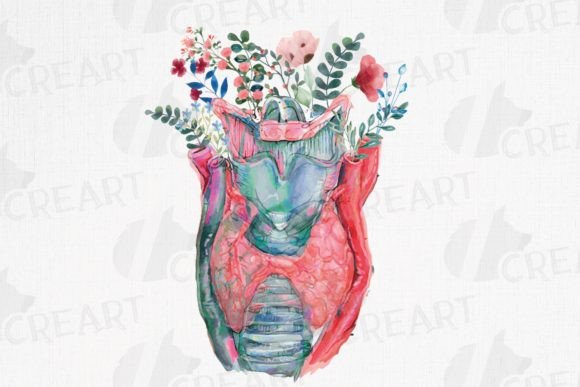
The intersection of medical accuracy and artistic expression has created a unique niche in both professional healthcare branding and personal home decor. The Watercolour Floral Larynx with Thyroid represents this blend perfectly, transforming complex human anatomy into an approachable, aesthetically pleasing visual. For endocrinologists, thyroid specialists, medical students, and anatomy enthusiasts, this type of graphic design offers more than just clinical reference; it provides a versatile asset for communication, education, and creative projects.
However, integrating medical illustrations into commercial or personal designs requires a nuanced understanding of file formats, licensing, and print quality. Many creators rush into purchasing clip art without verifying technical specifications, leading to frustration when the final product does not meet expectations. This guide explores how to effectively utilize these anatomical designs while avoiding common pitfalls that can compromise your project’s quality.
Understanding the Appeal of Anatomical Floral Art
Medical imagery is often perceived as sterile or intimidating. By incorporating watercolour floral elements into the structure of the larynx and thyroid gland, designers soften the visual impact, making it suitable for a wider range of applications. This approach is particularly effective for Endocrinology med gift ideas, where the goal is to celebrate a profession without relying on overly clinical or cold imagery.
These designs serve multiple audiences. For educators, they provide an engaging way to present human anatomy to students. For patients, floral anatomy prints can make clinic waiting rooms feel more welcoming. For creatives, they offer a unique motif for floral human anatomy printable home decor, allowing individuals to display their passion for science in a stylish, modern way. The key lies in balancing scientific integrity with artistic flair, ensuring the thyroid and larynx remain recognizable while embracing the organic flow of watercolour petals and leaves.
Common Mistakes in File Selection and Usage
One of the most frequent errors buyers make is overlooking the importance of vector versus raster files. When you purchase a digital design, you are not just buying an image; you are buying the potential to scale and modify that image. Ignoring file compatibility can severely limit your ability to use the art across different mediums.
Mistake 1: Ignoring Vector Formats for Large Prints
Many users download only the JPG or PNG files, assuming they are sufficient for all projects. While a high-resolution PNG is excellent for web design or small prints, it will pixelate if enlarged for a poster or banner. If you intend to create an Endocrinology Thyroid Specialist poster or large-scale floral wall art, you must use vector formats like SVG, AI, or EPS. These files allow you to resize the image infinitely without any loss in quality, ensuring crisp lines and smooth gradients regardless of the dimensions.
Mistake 2: Overlooking Layered Files for Customization
Another common oversight is failing to utilize layered Photoshop (PSD) or Illustrator (AI) files. Beginners often treat these images as static objects, missing the opportunity to change colors or isolate specific elements. For instance, if you are designing a Med Valentines gift or custom anatomy stickers, you may want to adjust the hue of the flowers to match a specific brand palette or theme. Without access to layered elements, you are stuck with the default colors, which may not align with your vision.
Mistake 3: Neglecting Background Transparency
Using a JPG file with a white background for sublimation or t-shirt printing is a critical error. JPGs do not support transparency, meaning you will end up with a bulky white box around your design. For clothing’s, t-shirts, and anatomy sweatshirt designs, you must use the PNG file with a transparent background or the vector files. This ensures that only the artwork appears on the fabric, resulting in a professional finish.
Practical Advice for Maximizing Your Design Assets
To avoid these issues and ensure high-quality results, adopt a strategic approach when selecting and applying your Watercolour floral larynx with thyroid graphic design. Here is how to make the most of your purchase:
- Verify File Compatibility: Before starting your project, check which software you are using. If you use Corel Draw, ensure the EPS file is compatible. If you use Cricut or Silhouette for cutting stickers, the SVG file is your best option. Having a package that includes AI, EPS, SVG, PNG, JPG, PSD, and PDF ensures you are prepared for any tool.
- Test Print Quality: Always print a small test sample before committing to a large run. This is especially important for waterslide transfer projects on tumblers or mugs. Check that the colors remain vibrant and the details of the thyroid gland are clear.
- Customize for Context: Use the layered PSD or AI files to tweak colors. For a wedding decor theme, you might soften the greens and pinks. For a medical conference, you might enhance the contrast to highlight anatomical accuracy. This flexibility turns a generic clip art into a bespoke design element.
Applications Beyond Basic Printing
The versatility of this design extends far beyond simple paper prints. Entrepreneurs and small business owners can leverage these assets for diverse product lines. Consider using the vector files for web design elements, such as headers for an endocrinology clinic’s website or blog graphics for health educators. The clean lines of the SVG format ensure fast loading times and sharp display on all devices.
For those interested in scrapbooking or handmade cards, the high-resolution PNG allows for detailed cutting and layering. You can combine the anatomical illustration with other floral elements to create intricate compositions for cards or wedding decor. The key is to respect the resolution limits of raster files while exploiting the scalability of vectors.
What to Check Before Purchasing
When evaluating a human anatomy decor template, look for specific indicators of quality and usability. First, confirm that the package includes no watermarks or logos on the final purchased items. Second, ensure that the vendor provides a comprehensive set of formats. A robust package should include:
- 1 PNG image: High-resolution with a transparent background for easy placement on any color.
- 1 JPG file: Suitable for quick previews or non-transparent needs.
- 1 SVG file: Essential for cutting machines and web use.
- 1 AI file: Vector format for Adobe Illustrator users.
- 1 EPS file: Compatible with Corel Draw and other vector software.
- 1 Photoshop file: With layered elements for deep customization.
- 1 PDF file: For easy viewing and standard printing.
By ensuring you have access to these formats, you protect yourself from future limitations. Whether you are creating a Thyroid Specialist med student gift or launching a line of promotion materials, having the right file type is half the battle.
Final Thoughts on Creative Execution
The Watercolour Floral Larynx with Thyroid is more than just a pretty picture; it is a functional design tool that bridges the gap between science and art. By understanding the technical requirements of each file format and planning your project accordingly, you can avoid common mistakes and produce high-quality, professional results. Whether you are decorating your home, crafting gifts, or building a brand, taking the time to choose the right assets and use them correctly will significantly enhance your final output. Embrace the flexibility of vector graphics, respect the limitations of raster images, and let your creativity flourish within the bounds of good design practice.