Evaluating Bronze Glitter Leopard Print Patches for Digital Design
In the evolving landscape of digital textile design and sublimation printing, specific aesthetic elements often drive consumer interest and project success. One such element gaining traction among DIY enthusiasts and professional designers is the Bronze Glitter Leopard Print Patch. This digital asset combines the timeless appeal of animal prints with the modern, eye-catching texture of metallic glitter, offering a versatile tool for creative projects. Understanding the technical specifications, application methods, and design implications of these high-resolution PNG files is essential for anyone looking to incorporate them into their workflow effectively.
Understanding the Digital Asset
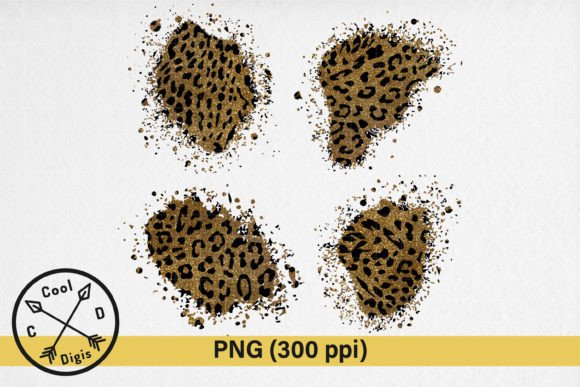
The core product in question is a digital download collection comprising four distinct high-quality PNG files. These files feature a distressed sublimation patch design characterized by a bronze glitter finish overlaid on a classic leopard print pattern. Unlike physical patches that require sewing or ironing onto fabric, these are digital representations intended for printing. The "distressed" aspect of the design adds a vintage or worn-in look, which can enhance the realism of the final printed product, making it appear as though a physical patch has been applied to the garment.
Technically, these files are delivered in a ZIP folder and boast a resolution of 300 DPI (dots per inch) in RGB color mode. This resolution is the industry standard for high-quality printing, ensuring that the details of the leopard spots and the shimmer effect of the bronze glitter remain crisp and clear, even when enlarged. The RGB color space is optimized for digital displays and most sublimation printers, although users must be aware of potential color shifts during the physical printing process.
Why Choose Bronze Glitter Leopard Print?
Designers and hobbyists are drawn to this specific aesthetic for several reasons. First, the combination of leopard print and metallic tones offers a bold fashion statement. Leopard print has transcended its status as a fleeting trend to become a wardrobe staple, while bronze provides a warmer, more sophisticated alternative to traditional gold or silver. The addition of a glitter effect adds depth and visual interest, making the design stand out on various backgrounds.
Furthermore, the versatility of the PNG format with a transparent background allows for seamless integration into diverse projects. Whether used for t-shirt designs, textile printing, web backgrounds, or other creative endeavors, the isolated patch design can be layered over different colors and textures without the need for complex masking or editing. This ease of use makes it an attractive option for those who want professional-looking results without extensive graphic design expertise.
Technical Considerations and Requirements
While the aesthetic appeal is significant, the practical application of Bronze Glitter Leopard Print Patches requires specific technical knowledge and tools. Prior knowledge of sublimation printing is crucial. Sublimation is a process where heat and pressure are used to transfer dye onto materials such as polyester, polymer-coated substrates, or special papers. It is not compatible with natural fibers like cotton unless a special coating is applied.
To utilize these files effectively, users must have access to appropriate software. Compatible programs include Adobe Photoshop, Adobe Illustrator, CorelDraw, PaintShop Pro, Inkscape, and GIMP. These tools allow users to resize the design, adjust colors, and prepare the file for printing. It is important to note that while the design is large and can be resized without losing quality due to its high resolution, improper scaling or compression during the editing process can still degrade the final output.
Another critical consideration is color variability. Colors may vary from screen to screen, printer to printer, and depend heavily on the inks and substrates used. The bronze glitter effect, in particular, relies on the interplay of light and texture, which can be challenging to replicate accurately in print. Users should conduct test prints to ensure the final product meets their expectations regarding color fidelity and shimmer intensity.
Benefits and Tradeoffs
The primary benefit of using digital patch designs like these is cost-effectiveness and convenience. There is no need to purchase physical inventory, manage stock, or deal with shipping delays. Designers can produce items on demand, reducing waste and allowing for greater customization. Additionally, the high resolution ensures that the designs remain sharp and detailed, regardless of the size of the final product.
However, there are tradeoffs. The reliance on sublimation printing limits the types of materials that can be used. As mentioned, natural fibers are not ideal for sublimation without additional processing. Furthermore, the distressed look, while stylish, may not appeal to all audiences. Some consumers prefer clean, crisp lines over a worn-in aesthetic. Additionally, achieving the true "glitter" effect in print can be difficult, as standard sublimation inks do not have reflective properties. The illusion of glitter is created through shading and highlights in the design, which may not satisfy those expecting actual tactile sparkle.
Ideal Use Cases
This digital collection is a strong fit for several scenarios. It is particularly suitable for creating custom apparel, such as t-shirts, hoodies, and leggings, especially when using polyester blends. The transparent background makes it easy to place the patch on any color fabric, allowing for endless design combinations. It is also ideal for accessory production, including tote bags, phone cases, and mouse pads, provided the substrates are compatible with sublimation.
Web designers and digital content creators can also benefit from these assets. The high-resolution PNGs can be used as elements in website backgrounds, social media graphics, or digital invitations. The leopard print motif adds a touch of luxury and wildness, while the bronze tone keeps it grounded and elegant. For educators or workshop leaders, these files can serve as excellent examples for teaching sublimation techniques and digital design principles.
When to Consider Alternatives
Despite their advantages, there are situations where alternatives may be worth considering. If the target audience prefers natural fibers like 100% cotton, direct-to-garment (DTG) printing or heat transfer vinyl (HTV) might be better options. HTV, in particular, can offer actual textured finishes, including real glitter, which may be more appealing than the printed illusion of glitter. Additionally, if a designer lacks experience with sublimation or does not have access to the necessary equipment, purchasing pre-made physical patches or using simpler print-on-demand services might be more practical.
For projects requiring precise color matching, such as corporate branding, the variability inherent in sublimation printing may pose a challenge. In such cases, screen printing or professional offset printing might provide more consistent results. It is also worth noting that if the goal is to create a minimalist design, the busy nature of leopard print combined with glitter effects might be too overwhelming. Simpler geometric patterns or solid colors could be more appropriate in those contexts.
Making an Informed Decision
Deciding whether to incorporate Bronze Glitter Leopard Print Patches into your design toolkit depends on your specific goals, resources, and target audience. If you are comfortable with sublimation printing, have access to the necessary software, and are looking for a bold, trendy design element, these digital assets offer excellent value. They provide flexibility, high quality, and a unique aesthetic that can elevate your creative projects.
However, it is essential to manage expectations regarding color accuracy and the limitations of printed glitter effects. Conducting thorough testing and understanding the nuances of sublimation printing will help ensure successful outcomes. By carefully evaluating your needs and capabilities, you can determine whether this digital collection aligns with your creative vision and business objectives. Ultimately, these patches represent a powerful tool for those willing to invest the time and effort to master their application.